Resilient & Beautiful Fencing Choices: Boost Security and Privacy for Your Property
Durable and stylish fencing solutions serve a vital function in improving security and privacy alike for homes. By choosing the most appropriate materials and designs, homeowners can create well-defined property lines while improving their property's overall aesthetic. However, the planning process involves various considerations that go beyond simple aesthetics. Understanding these factors can significantly influence the long-term success and efficiency of a fencing project. Where should homeowners begin when embarking on this endeavor?
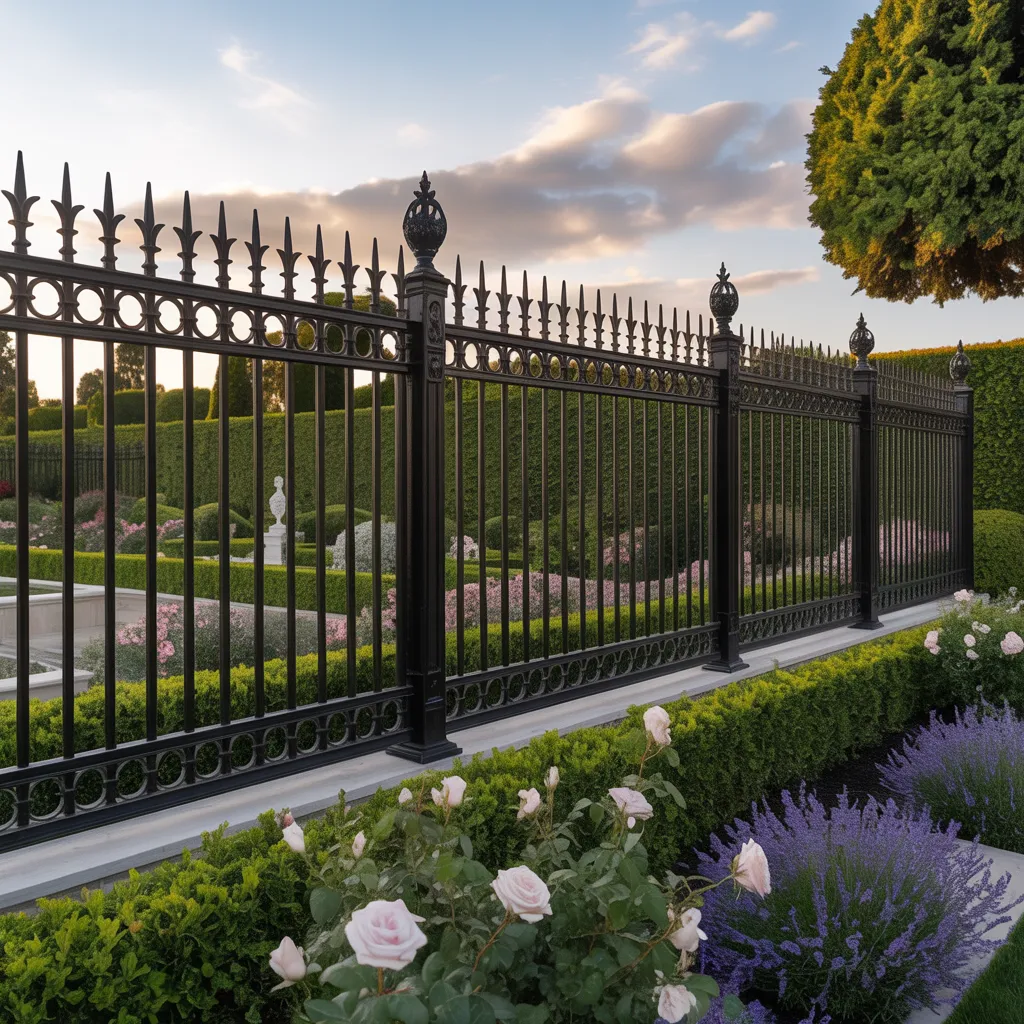
Why Fencing Is Essential for Home Security and Privacy
Fencing serves as a critical barrier in creating home security and privacy. By establishing a clear boundary, it prevents unwanted intrusions and strengthens the sense of safety for property occupants. A well-constructed fence not only limits access to the property but also functions as a visual deterrent, indicating to potential intruders that the premises are protected.
Moreover, fencing contributes to privacy by limiting the view from outside, permitting homeowners to appreciate their outdoor spaces without feeling overlooked. This feature is particularly beneficial in crowded neighborhoods where houses are in close proximity.
Moreover, well-installed fencing can enhance property value, as future homeowners commonly value security and privacy elements. Homeowners additionally experience peace of mind knowing their personal space is well-guarded. In summary, fencing serves as an essential element of residential security and privacy, delivering both practical and visual advantages.
Which Fencing Material Is Best for My Home?
When selecting the perfect fencing material for residential security and privacy, various options present distinct advantages. Wood fencing offers a traditional appearance and organic appeal, while vinyl fencing offers low maintenance visit now and resilience. Metal fencing, on the other hand, provides unparalleled durability and strength, positioning it as an excellent option for extended protection.
Wood Fence Benefits
Of the many fencing options on the market, wood stands out for its remarkable balance of visual charm and functional advantages. It offers a timeless charm that can suit a wide range of home styles, elevating the overall appearance of a home. Wood fencing is also highly customizable, giving homeowners the freedom to select from different heights, styles, and finishes to match their personal tastes. Furthermore, wood is a renewable resource, making it a responsible choice for the environment. Its natural insulation properties offer a degree of sound dampening and climate regulation, promoting a calm and comfortable atmosphere. With routine upkeep, wood fencing can resist the elements and stand the test of time, ensuring enduring safety and privacy for property owners. Consequently, wood fencing emerges as an appealing and effective solution for strengthening and beautifying property perimeters.
Vinyl Fencing Benefits
Vinyl fencing provides many benefits that make it a compelling choice for homeowners seeking both security and aesthetic appeal. This material is highly durable, resistant to weathering, and will not warp, rot, or lose its color with age, providing a lasting and dependable option. Its minimal upkeep needs are another major advantage, as it usually only demands light cleaning with mild soap and water. Vinyl fencing comes in a wide range of styles and colors, enabling homeowners to personalize their outdoor areas while improving the overall look of their home. Furthermore, it delivers outstanding privacy, as solid panels can effectively block views from neighbors. With its combination of strength, style, and minimal upkeep, vinyl fencing proves to be a smart investment for modern homeowners.
Metal Fencing Longevity
Metal fencing is renowned for its exceptional durability, making it an ideal selection for homeowners who value lasting security and minimal upkeep. Built to withstand rot, pests, and severe weather conditions, metal fences tend to last longer than alternative materials like wood or vinyl. Steel and aluminum, the most widely used metal fencing materials, offer strength and stability, ensuring they remain intact over time. Additionally, many metal fences feature protective coatings that prevent rust and corrosion, which significantly extends their lifespan. Even though the initial expense may be greater than alternative materials, the durability and minimal upkeep needs make metal fencing an economical choice over time. In summary, metal fencing proves to be an excellent choice for those who desire both security and lasting performance.
Choosing a Fencing Style That Complements Your Home's Design
Selecting a fence style that complements a home's architecture is critical for ensuring architectural harmony. Homeowners must consider how a range of materials can improve or diminish their home's appearance. Careful material choice not only promotes curb appeal but also influences durability and functionality.
Architectural Balance Aspects
Architectural cohesion improves the overall aesthetic of a home, making it critical to pick a fence design that aligns with the home's design. A well-selected fence can complement design elements, hues, and outdoor aesthetics, reinforcing the residence's unique appeal. For instance, a sleek home may be enhanced by clean, streamlined fence designs, while a classic residence might be perfectly complemented by traditional wooden or wrought iron fencing. Additionally, accounting for the measurements and ratios of the property and its fencing ensures aesthetic harmony. This deliberate decision not only improves the residence's visual charm but also boosts its real estate worth. Ultimately, a harmonious fence fits effortlessly with the complete aesthetic, establishing a balanced and appealing setting for homeowners and guests alike.
Material Selection Importance
Picking the ideal materials for fencing plays a major role in both functionality and aesthetic appeal. Homeowners should consider a range of options, such as vinyl, wood, wrought iron, and aluminum, all of which provide distinct advantages. Wood offers a traditional aesthetic that can be tailored to suit any style, while vinyl is low-maintenance and resistant to weathering. Aluminum delivers resilience and safety without the bulk of wrought iron, which is known for being both refined and sturdy. The right material must align with the home's aesthetic while meeting functional demands like security and seclusion. Additionally, local climate conditions can affect material longevity, underscoring the importance of a well-informed decision. Ultimately, the right material enhances both the visual harmony of the property and its overall functionality.
Benefits of Privacy Fencing
Even though many homeowners focus on aesthetic appeal in their outdoor environments, the benefits of privacy fencing extend far beyond mere looks. Privacy fencing serves as a critical barrier against prying eyes, establishing a private setting that improves comfort and safety. It effectively reduces noise from surrounding areas, rendering outdoor areas more peaceful and pleasant. Moreover, privacy fencing can function as a safeguard for gardens and surrounding greenery, discouraging animals and undesired intruders.
In addition, such fencing can increase property value by enhancing the overall aesthetics and functionality of the home. It also fosters a sense of privacy and personal space, allowing families to enjoy outdoor activities without feeling exposed. The appropriate privacy fence can enhance the home's architectural design while offering vital security features. In summary, privacy fencing investment not only improves aesthetic appeal but significantly enhances a homeowner's peace of mind and quality of life.
Local Regulations for Fencing
When considering fencing solutions for privacy and home security, homeowners need to understand local regulations that govern design and installation. Such regulations can vary considerably from one municipality to another, often addressing material specifications, height restrictions, and placement guidelines. Homeowners are generally expected to secure permits before constructing a fence, especially if it exceeds a certain height or is made from non-standard materials.
Furthermore, local HOAs may impose their own regulations, which can further influence design decisions. It is crucial to consult municipal zoning codes and property boundaries to reduce friction with nearby residents and confirm conformity. Disregarding these rules can cause penalties or the requirement to remove an improperly constructed fence. By learning about neighborhood guidelines, property owners can reach educated conclusions that improve both safety and visual appeal without legal repercussions.
How to Budget for Your Fencing Project
Budgeting for a fencing project requires careful planning and consideration of various factors. Property owners should begin by identifying the overall length of fence necessary and the desired fencing material, as prices can differ significantly among materials such as wood, vinyl, and metal. They should also consider supplementary expenses, including installation labor, required permits, and essential tools.
It's also crucial to account for the possible requirement for site preparation, such as removing vegetation or grading the terrain. Property owners should obtain bids from multiple contractors to ensure a fair and competitive rate and consider any seasonal discounts that may apply.
Moreover, allocating a contingency fund, usually 10-15% of the total budget, can help manage unexpected costs. When thoughtfully examining these aspects, people can develop a sensible budget that aligns with their fencing goals while enhancing their property's security and privacy.
Essential Tips for Maintaining Your Fence
After establishing a budget and selecting the right materials for a fencing project, homeowners should concentrate on upkeep to protect their investment long-term. Routine inspections are crucial; checking for signs of rot, rust, or damage can prevent more extensive repairs. Wooden fences benefit from the application of a protective sealant every few years to guard against moisture and pests. Periodic cleaning of metal fences to eliminate dirt and grime is important, along with inspecting for corrosion that might necessitate repainting. Additionally, keeping vegetation trimmed away from the fence line reduces moisture retention and prevents root damage. For vinyl fencing, a simple wash with soapy water can maintain its appearance. Taking care of minor repairs without delay is key to extending the fence's longevity. By adhering to these maintenance tips, homeowners can ensure their fencing remains functional and aesthetically pleasing for years to come.
Upgrading Fencing With Intelligent Security Features
Embedding smart security features into fencing improves safety and simultaneously elevates the utility of exterior areas. Modern advancements in technology have made it possible to incorporate features such as motion sensors, surveillance cameras, and smart locks directly into fence structures. These additions offer homeowners real-time alerts and the ability to oversee their property from a distance.
Motion detectors are capable of identifying suspicious behavior, delivering real-time updates directly to residents' mobile devices. Surveillance cameras integrated into the fence can capture high-definition video, serving as a deterrent to would-be trespassers. Furthermore, advanced locking systems on gates provide keyless entry and can be operated using mobile applications, offering both ease of use and enhanced protection.
Furthermore, smart fencing solutions can be paired with residential automation platforms, allowing for natural synchronization with other security measures. With these enhancements, homeowners can take advantage of greater peace of mind while simultaneously adding an element of sophistication to their outside environments.

Questions We Often Receive
How Long Does a New Fence Installation Take?
A new fence installation generally requires between one and three days, influenced by factors such as material choice, overall length, and ground conditions. Weather conditions and local regulations may also influence the project's overall completion timeline.
Can I Install Fencing Myself, or Should I Hire a Professional?
People are able to handle fence installation independently if they have the essential skills and tools; however, hiring a professional provides experience, quality, and conformity with local requirements, ultimately producing a more durable and attractive result.
What Is the Average Lifespan of Different Fencing Materials?
The typical longevity of fencing materials can vary widely: wood generally endures for around 10-15 years, vinyl offers a lifespan of 20-30 years, metal fencing commonly lasts anywhere from 30-50 years, and composite materials deliver wood-like durability but tend to last considerably longer.
In What Ways Do Weather Conditions Influence Fence Longevity
Weather conditions greatly impact fencing durability; strong UV rays can distort fencing materials, while high levels of moisture often cause rot or corrosion. Consistent care works to minimize these impacts, extending the life and strength of different fence types.
Are There Eco-Friendly Fencing Options Available?
Yes, various eco-friendly fencing options exist, including recycled materials, bamboo, and responsibly harvested wood. These materials not only minimize environmental impact but also offer aesthetic appeal and durability, making them excellent options for eco-conscious property owners.