Professional Fence Installation Services for Residential & Commercial Properties
Custom fence installation solutions play an essential role in transforming both residential and commercial properties. They provide security, privacy, and visual appeal while defining property boundaries. With various materials available, property owners can select options tailored to their needs. Professional installation guarantees compliance with local codes. Still, the value reaches well beyond the installation itself—knowing how to select the appropriate design and material can significantly influence the property's worth. What factors should one consider when making these choices?
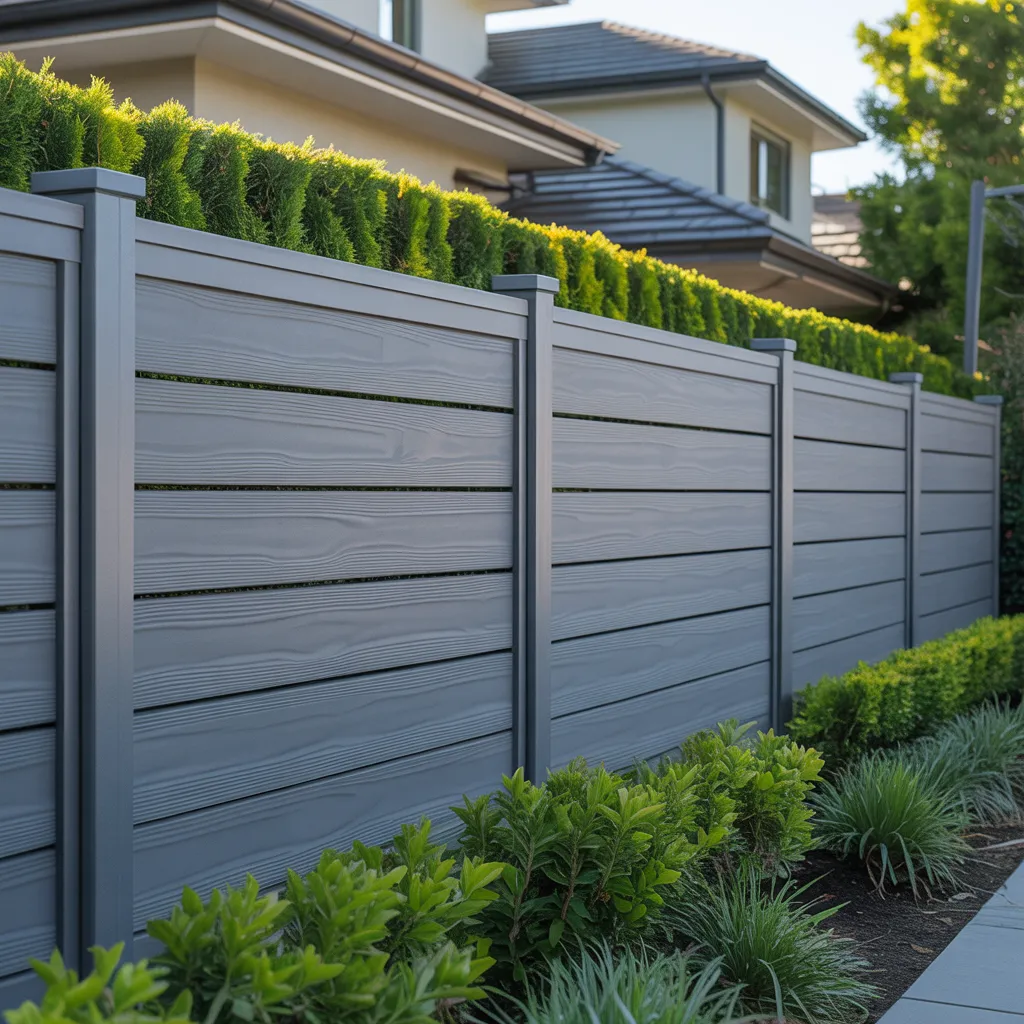
Why Custom Fences Are Essential for Your Property
When thinking about property enhancements, numerous homeowners realize that custom fences are more than just a visual decision but a worthwhile investment. Custom fences provide various benefits that extend beyond appearance. They improve safety by establishing a solid barrier that discourages trespassers and safeguards children and animals. Furthermore, these fences ensure privacy, allowing homeowners to enjoy their outdoor spaces free from unwanted observation.
Moreover, tailored fence installations can clearly mark boundary lines, reducing disagreements with neighbors and ensuring compliance with local regulations. They additionally enhance the total value of the property, increasing its attractiveness to prospective buyers.
From a functional standpoint, custom fences can be designed to meet unique demands, such as gates for easy access or additions that complement landscape design. Ultimately, choosing a custom fence is a strategic decision that fulfills several functions, strengthening both the property's utility and its visual appeal.
An Overview of Popular Fencing Materials: Wood, Vinyl, and Metal
When exploring fence materials, vinyl, wood, and metal each offer distinct advantages and disadvantages. Financial comparisons show considerable variation in upfront costs and ongoing maintenance costs. Understanding these factors can assist homeowners arrive at knowledgeable decisions aligned with their individual requirements.
Strengths And Weaknesses
A range of fencing materials, such as wood, vinyl, and metal, all present specific pros and cons that may affect a homeowner's choice. Wood is often favored for its natural aesthetic and versatility but necessitates routine care to avoid deterioration and pest damage. Vinyl, in contrast, is simple to care for and protective against fading and infestations, making it a durable long-term option; however, it may lack the traditional appeal of wood. Metal barriers, such as aluminum or wrought iron, ensures solid security and extended lifespan but may come at a higher cost and may call for routine attention to prevent deterioration. Every material offers distinct qualities, empowering homeowners to assess their unique demands and preferences when selecting the ideal fencing solution.
Cost Analysis
Although homeowners frequently consider aesthetics and functionality when choosing fencing options, cost remains a critical factor when making their final decision. Wood fencing typically presents a lower initial investment though necessitates consistent care, potentially driving up total expenditures. On the other hand, vinyl options, though more expensive initially, offer durability and minimal upkeep, making them an economical option in the long run. Metal fencing, including aluminum and steel, generally demands a more substantial initial expense yet is well known for its durability and ability to withstand weather conditions, thereby reducing future repair costs. Ultimately, the overall investment—considering setup costs, maintenance needs, and longevity—must help residents when determining the ideal fence material for both personal and commercial applications.
Selecting the Best Fence Design for Your Yard
Picking the ideal fence style for a home can significantly elevate both the functionality and aesthetics of a property. Property managers and homeowners must assess a number of factors when determining a design, including the intended purpose of the fence, municipal requirements, and the structural style of the property. Fences designed for privacy, for one thing, are ideal for building sheltered outdoor areas, while picket fences often enhance the property's appearance and deliver a charming look.
Material selection plays a considerable role as well; wood provides a classic appearance, while vinyl or metal can provide durability and low maintenance. Moreover, hues and styles should align with the nearby landscape and surrounding structures. Ultimately, the right fence design not only defines boundaries but also contributes to the overall character of the property, making careful consideration vital for reaching the intended results.
Reasons to Choose Professional Fence Installation
Opting for expert fence installation guarantees that the job is finished with professionalism and care. Expert installers hold the required expertise and knowledge to navigate the complexities of various fencing materials and designs. They have a thorough understanding of regional building requirements and zoning laws, securing compliance and eliminating potential regulatory concerns.
Additionally, hiring experts often ensures a faster installation process, as they have access to specialized tools and resources. This level of expertise not only cuts down on time but also limits inconvenience to the resident's daily activities. Additionally, experienced professionals can provide valuable insights and recommendations designed for the unique requirements of the residence, boosting client satisfaction.
Ultimately,investing in professional services frequently includes warranties, offering peace of mind regarding the durability and longevity of the fence. To summarize, opting for professional fencing services is a sound investment for both residential and commercial properties, delivering a superior outcome.
How Does Custom Fencing Enhance Security?
Custom fencing is essential for enhancing security for both residential and commercial properties. By establishing a physical barrier, it deters trespassers and unauthorized access. The height, materials, and design of custom fencing can be customized to address particular security requirements, making it difficult for intruders to climb over or break through.
Furthermore, many personalized fence installations can be combined with sophisticated security features, such as access points outfitted with locks, surveillance cameras, or motion sensors, providing an added layer of security. The presence of a well-constructed fence can also serve as a strong visual warning, leaving properties less attractive marks for unlawful activities.
Furthermore, bespoke fencing can be constructed to limit visibility onto the premises, limiting the information potential intruders might gather. In summary, opting for custom fencing substantially elevates the security framework of any property, guaranteeing confidence and comfort for property owners and occupants.
Improving Curb Appeal With Custom Fencing
A thoughtfully planned fence can greatly boost the exterior appearance of a property, rapidly changing its exterior. Bespoke fencing designs offer a variety of designs, colors, and textures that can accentuate the structural characteristics of a home or business. Regardless of whether you choose a classic picket fence, a sleek modern design, or a natural timber fence, the ideal selection can enhance the overall aesthetic.
Moreover, tailored fences can be adapted to fit individual landscapes, creating a perfect fit with landscaped areas and outdoor environments. With the inclusion of decorative elements, such as ornamental post caps or latticework, residents can deeply personalize their fence design, transforming it into a standout feature.
The aesthetic appeal of a personalized fence not only draws attention but also reflects the homeowner's taste and dedication to detail, ultimately creating a warm and appealing atmosphere for neighbors and visitors alike.
How to Budget for Your Custom Fence Project
Setting a budget for a custom fence installation demands thoughtful evaluation of upfront costs and possible unforeseen charges. Creating an accurate budget is vital to avoiding unnecessary financial stress, since unforeseen costs may emerge throughout the installation process. Understanding these factors can help homeowners make informed decisions and reach their desired fencing outcomes without exceeding their financial limits.
Creating a Realistic Budget
Creating a reasonable budget is vital for those planning a fencing project. Homeowners and business owners alike must first assess their needs and preferences, including the style of materials, layout, and overall scope of the fence. Looking into local pricing for materials and labor provides a solid budget foundation. Moreover, accounting for potential cost differences driven by factors such as geographic location and project complexity is essential. Allocating a reserve fund for unforeseen costs can offer valuable financial security. Through careful consideration of all these factors, property owners can develop a comprehensive budget that reflects their goals while keeping costs manageable, ultimately leading to a more successful fencing project.
Concealed Costs to Be Aware Of
What unexpected expenses might arise during a custom fence installation project? Property owners should anticipate several possible unexpected expenses. Initially, site preparation could demand additional grading or land clearing, especially on uneven ground. Licensing fees can also take homeowners by surprise, as local ordinances commonly require permits for fence projects. Additionally, when the existing terrain features obstructions like roots or boulders, removal costs can increase significantly. Furthermore, homeowners could be subject to unanticipated labor charges if the installation runs into delays or complications. Following installation, upkeep costs, including staining or repairs, should be included in the total budget. By considering these hidden costs, individuals can create a more accurate financial plan for their custom fence project.
Upkeep Tips for Long-Lasting Custom Fences
Although custom fences can enhance the visual appeal and safety of a property, regular upkeep is essential to ensure their durability. Regular inspections are important; homeowners should check for signs of damage, like fractures or rotting, especially in wood fencing. Regularly cleaning the fence aids in eliminating dirt and buildup that may lead to degradation. When it comes to wooden fences, using a sealant or weather-resistant stain every couple of years can guard against moisture damage and sun-related deterioration.
Iron fences, conversely, must be inspected for rust and oxidation. Using a rust-preventive coating can greatly extend their lifespan. Moreover, confirming that greenery does not invade the fence can reduce moisture retention and deterioration. As a final step, quick resolution of any defects can reduce more serious damage over time. By following these maintenance tips, fence owners can ensure their custom fences continue to be both operational and attractive for years to come.
Popular Questions We Receive
How Long Does the Custom Fence Installation Process Typically Take?
The custom fence installation process usually spans one to three days, based on factors including the property's size, the type of materials chosen, and prevailing weather conditions. Schedules may change according to the unique requirements and complexities of each project.
Is It Possible to Install a Custom Fence in the Winter Months?
Absolutely, placing a personalized fence during the winter season is feasible. That said, the undertaking may face obstacles as a result of ice-hardened ground and inclement weather, potentially extending the installation timeline and calling for dedicated equipment for optimal outcomes.
What Permits Are Required for Custom Fence Installation?
Typically, a municipal permit is necessary for installing a custom fence, as well as possible zoning requirements. Property owners should consult their local government for detailed guidelines, making sure they meet location, design, and height specifications before moving forward.
What Warranty Options Are Available for Custom Fences?
A check now number of companies include warranty options for customized fencing, usually encompassing materials and workmanship. The length and conditions vary, so it is recommended that customers inquire about detailed warranty information before proceeding with installation.
How Can I Select the Right Fence Contractor for My Project?
To hire a fencing contractor, you should explore local choices, examine customer feedback, confirm licenses and insurance, obtain thorough price quotes, and review prior installations. Communication and professionalism during early conversations also suggest dependability and service quality.